When, a few months ago, I bought my ticket to India I knew nothing, or almost nothing, about this country in terms of organisation and travel tips. So I began a lengthy search to prepare myself, at least “practically”, in the best possible way. India is a very vast country; if you truly intend to see all of it you must make peace with needing at least 2 or 3 months available. I, this time, will have only 16 days and mine will be a somewhat particular journey, since I will be spending most of the time in an ashram — that of my teacher of Kriya Yoga.
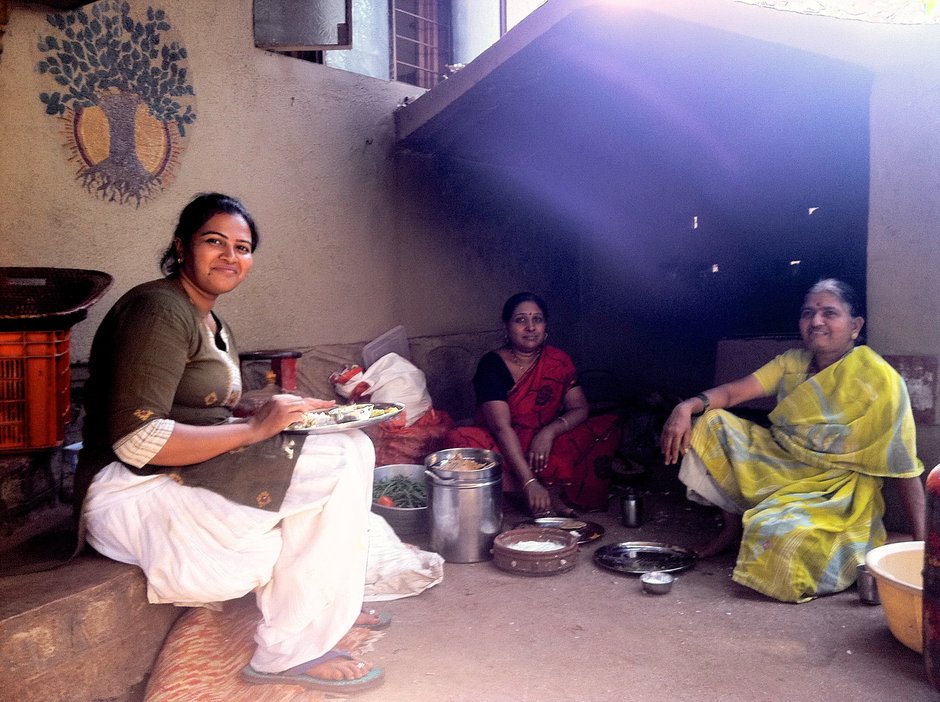
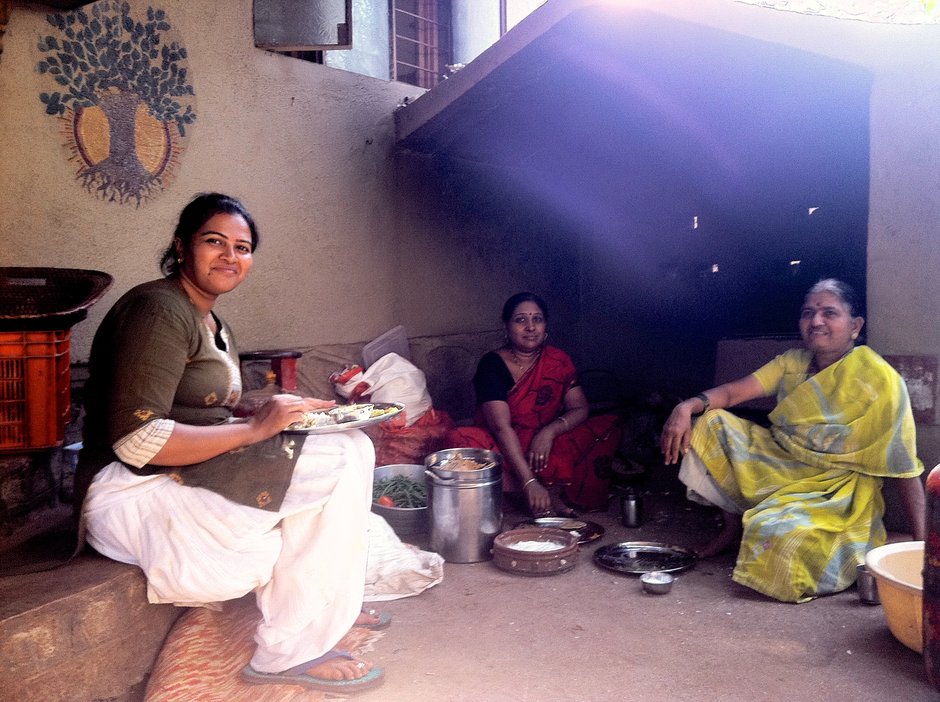 Some cooks in an Ashram in Pune - Photo by Alessandro Ceccarelli
If you want to visit India, the first thing you must do is choose whether to go to Northern India or Southern India. If you look for printed guidebooks, or topics across the web, you will in fact find them divided in this way. For the same reason it is also difficult to define which period is meteorologically best, because the climatic factors are very diverse.
Broadly speaking, however, one can say that for most of the country the most pleasant months run from October to March. In Southern India, on the other hand, the monsoons mean that the best period is from January to September, while in the North it runs from March to August.
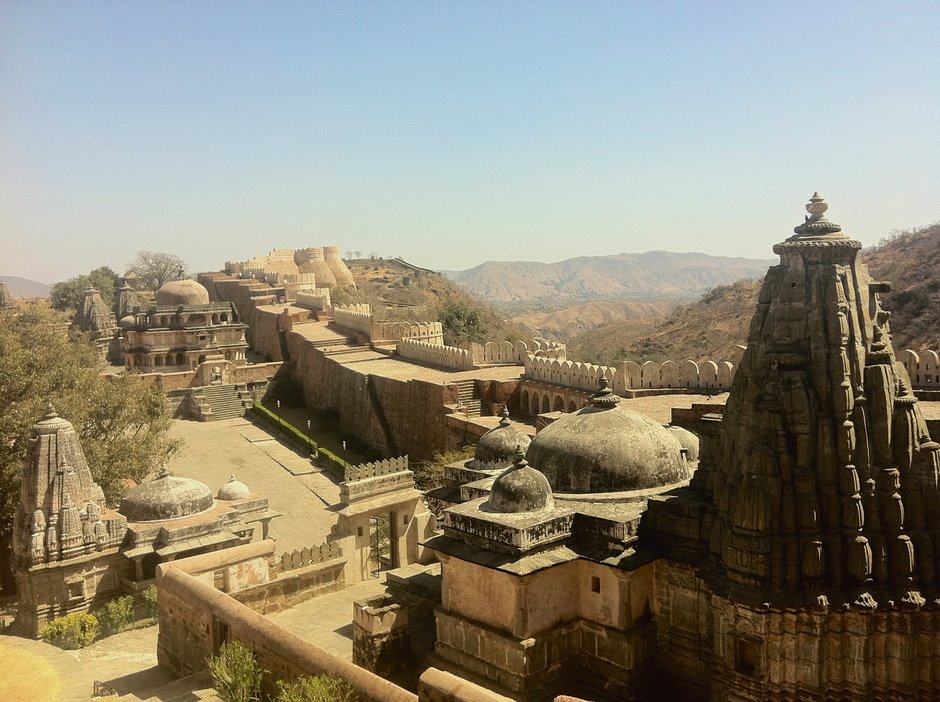 Rajasthan - Photo by Alessandro Ceccarelli
Once you have decided on the area and the period, it is time to think about what kind of trip you want to make, so as to consider whether or not to get vaccinated. No vaccination is compulsory for entering India. There are, however, some strongly recommended ones if you intend to travel more adventurously, exploring the culture and the land, if you plan to organise the trip yourself and not through a tour operator. The recommended vaccines are those against hepatitis A and B, rabies, diphtheria and tetanus, polio, and antimalarial prophylaxis, especially if you plan to visit the southern or eastern regions, particularly during and after the monsoon periods. Consider getting these vaccinations if you truly plan to travel the adventurous route; otherwise it will suffice to follow simple precautions such as never drinking tap water, not eating raw vegetables or unpeeled fruit, and following normal hygiene rules. If you decide to get vaccinated, first contact the Travel Medicine centre at your local health authority for a consultation, and they will be able to advise you on the best course of action.
 Aarti on the Ganges, Haridwar (Uttar Pradesh) - Photo by Alessandro Ceccarelli
To enter India you must have a valid visa and a passport valid for at least 6 months. The visa can be applied for directly at the embassy, without necessarily going through travel agencies. In Italy there are only two offices that issue it: the one at the Indian Embassy in Italy in Rome and the one at the Indian Consulate in Milan. So you must either travel to one of these two cities or send the request by post. Important: before making the visa application you must fill in the online form on the embassy’s website; without this your request will never be processed. Be very careful to be consistent with the information you enter, otherwise you risk having it refused and having to start all over again. For example: if you apply for a tourist visa — and that is what you must apply for — remember to always enter tourism in the subsequent fields as well. The tourist visa is valid for six months and costs around €55. A passport-sized photo of the same format as those required for an electronic passport application must be attached. Usually the visa is ready in 1 or 2 days and is either sent to your home address or you can collect it directly from the embassy, as I did. It is applied directly onto one of the pages of your passport, which you will have left at the time of application. Here in Rome the embassy is in Via XX Settembre, 5 — but don’t expect a grand, imposing building, because you will find yourself in a tiny basement office in the centre of Rome :)
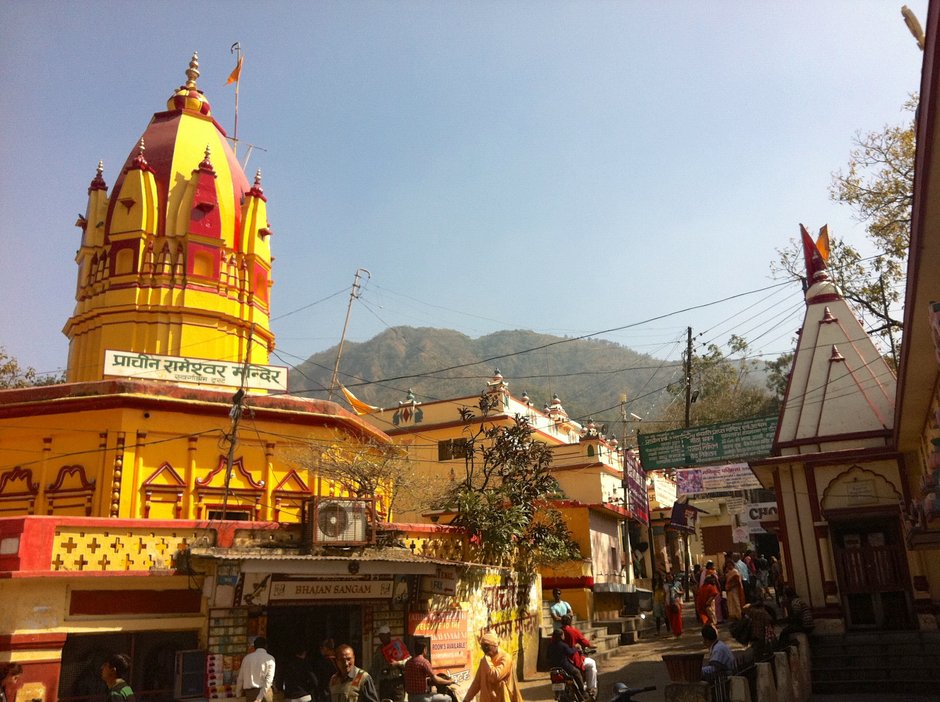 Rishikesh (Uttar Pradesh) - Photo by Alessandro Ceccarelli