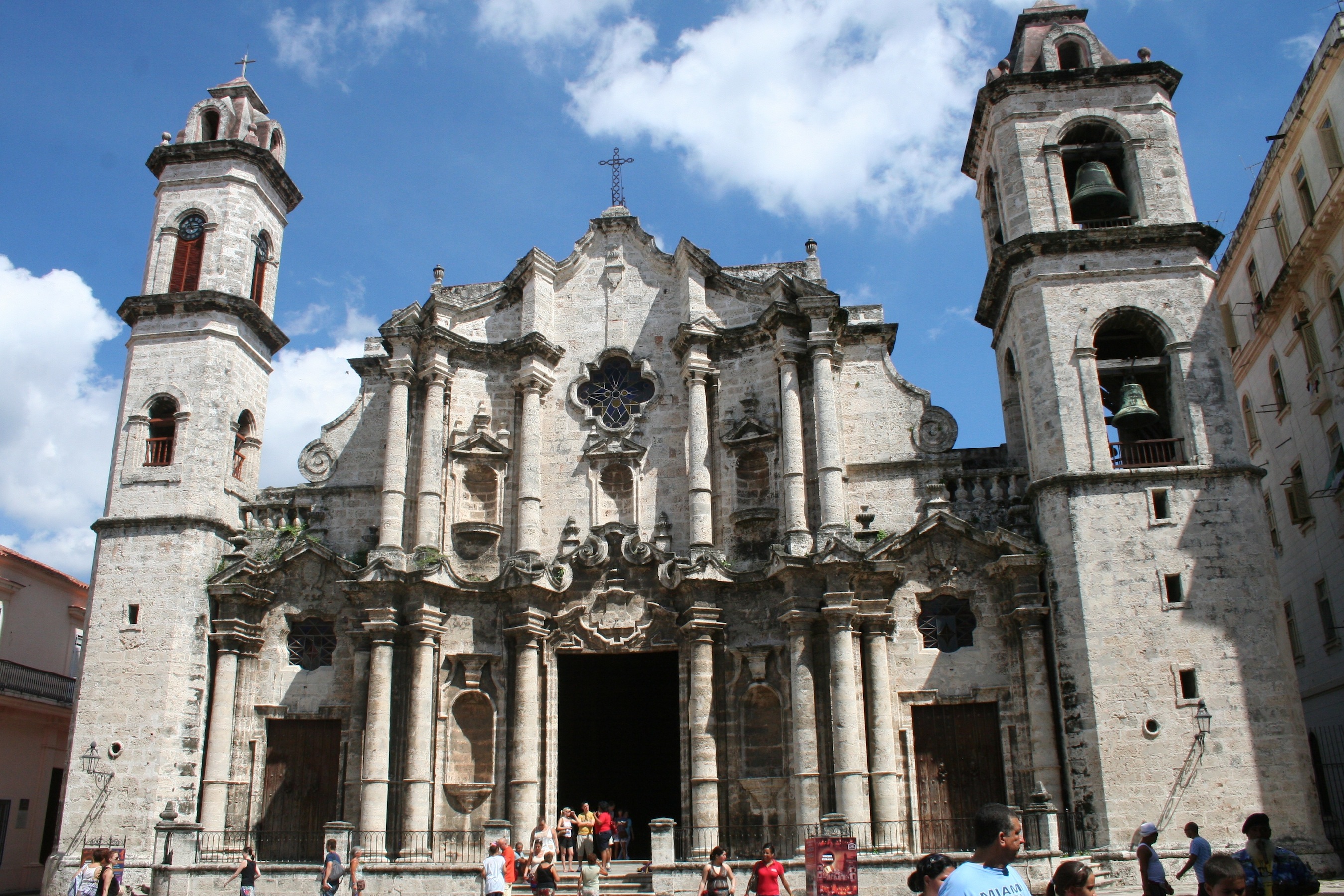
 Maria la Gorda - Photo by Simona Forti
Thinking that Cuba can be covered in just two articles is absolutely impossible, but in this second “instalment” I will try to give you all those useful tips for planning your first trip to “Monkey Island”. Yes, because Cuba is practically Monkey Island, the game that accompanied the adolescence of so many of us! :-) As I mentioned in the previous post, it is important to plan your trip well; to decide what kind of itinerary to follow, which cities to visit, and above all how much time you have. To truly experience Cuba the best way is to rent a car. Don’t expect, however, to find yourself on comfortable paved roads ready to take you around the whole island in two weeks. Cuba has this great problem: it essentially has only two “roads” that can more or less be called such — the Autopista Nacional and the Carretera Central. The Autopista Nacional is the motorway, though not quite what we understand by the term. There are no tolls to pay; don’t expect large service stations or rest areas. It is simply a large two-lane road that crosses the island from West to East, from Pinar del Río all the way to Sancti Spíritus, passing through Havana. Together with the Carretera Central it is in the best condition for travelling. But the peculiarity of the Autopista lies in what you may encounter along the way. Street vendors of mango paste or guayaba on foot between the two carriageways; horse-drawn carts crossing from one direction to the other, simply passing over the Autopista with all the unhurried calm that characterises this island; groups of people standing under bridges waiting for “people-carrier” trucks to take them to the cities; farmers driving their animals to pasture.
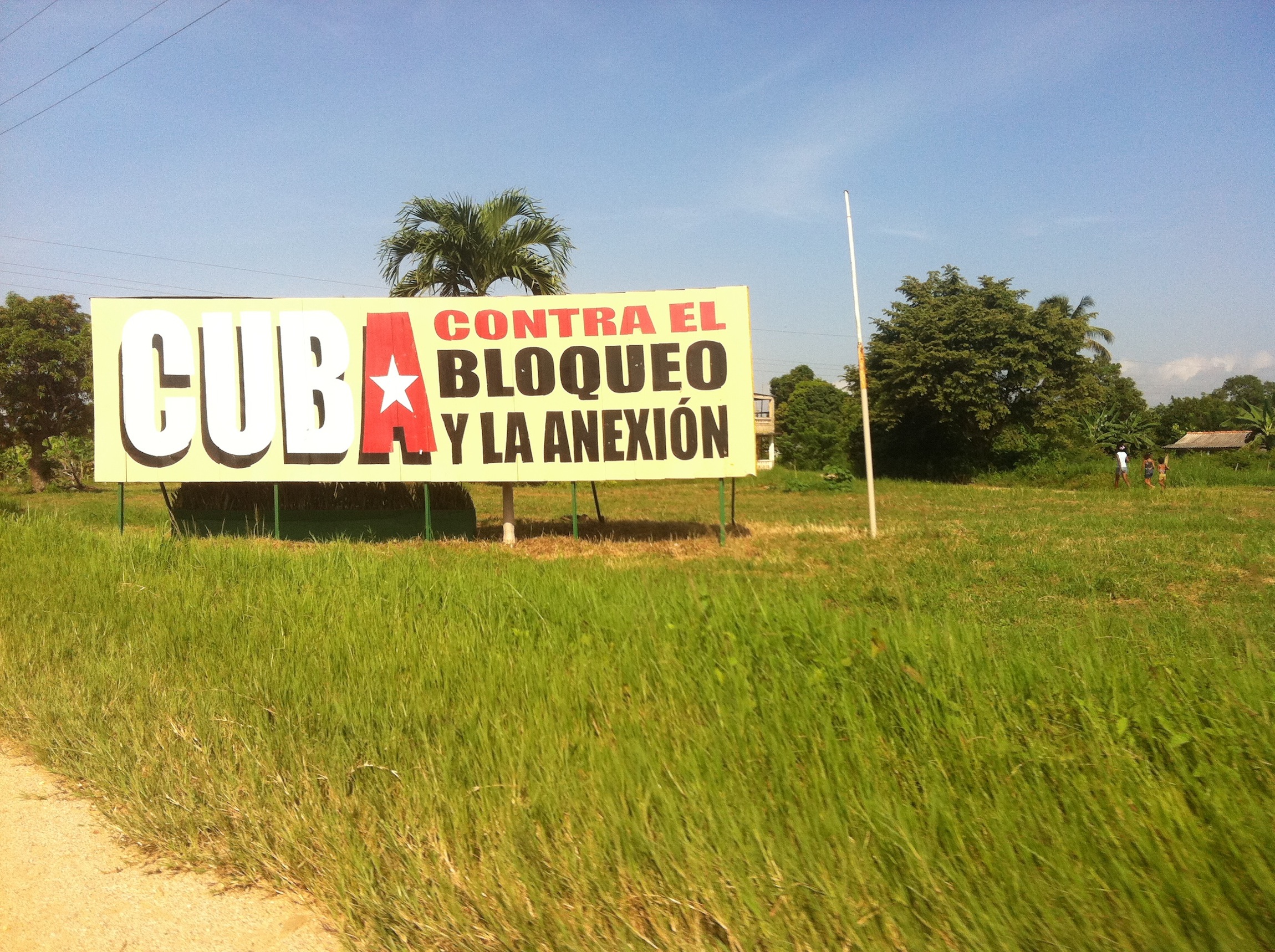 Propaganda - Photo by Simona Forti
All of this, combined with potholes and not-entirely-sound tarmac, will allow you to travel at roughly 100 km/h if you are very lucky :-) Which is why covering, say, 150 km could take up to 3 hours. The people-carrier trucks are one of the most widely used means of transport by Cubans for getting around. They are large trucks, like our goods vehicles but open on top, with a licence issued by the state, which stop at “collection points” along the road to pick up Cubans from small provincial towns and take them to Havana or other cities — or even to work. For this reason not everyone has fixed working hours; but this wonderful slowness with which they live, the calm, the tranquillity, is one of the most beautiful things about this island — it is essentially what we lack, we who do nothing but race frantically through the entire day, and which often makes us forget the true flavour of life. In addition to these trucks, there are also regular cars that perform the same service. It is an officially government-recognised profession for which a licence is required.
Trinidad, Santa Clara, Santiago de Cuba
Cuba is a country that can be visited with different keys of reading. You can decide whether to make a trip immersed in nature, discovering the Parque Nacional de Guanahacabibes or the Península de Zapata where you can observe crocodiles, flamingos and many other animal species; or you can decide to go diving in the crystal-clear waters of María la Gorda, a tropical paradise with long white beaches; or perhaps a speleology trip in the land of the Mogotes, in the province of Viñales, where inside caverns you will find particular forms of life and incredible rock formations! Or a journey to discover the history and culture of Cuba through some of the island's principal cities. Ron and music will accompany you all day along whatever journey you choose to undertake: you will arrive in Trinidad, a marvellous colonial city, to the sound of Trova and música campesina; you will stop in Santa Clara to visit the mausoleum of the Che, where you will be hard pressed to remain unmoved by the aura of reverence that surrounds it.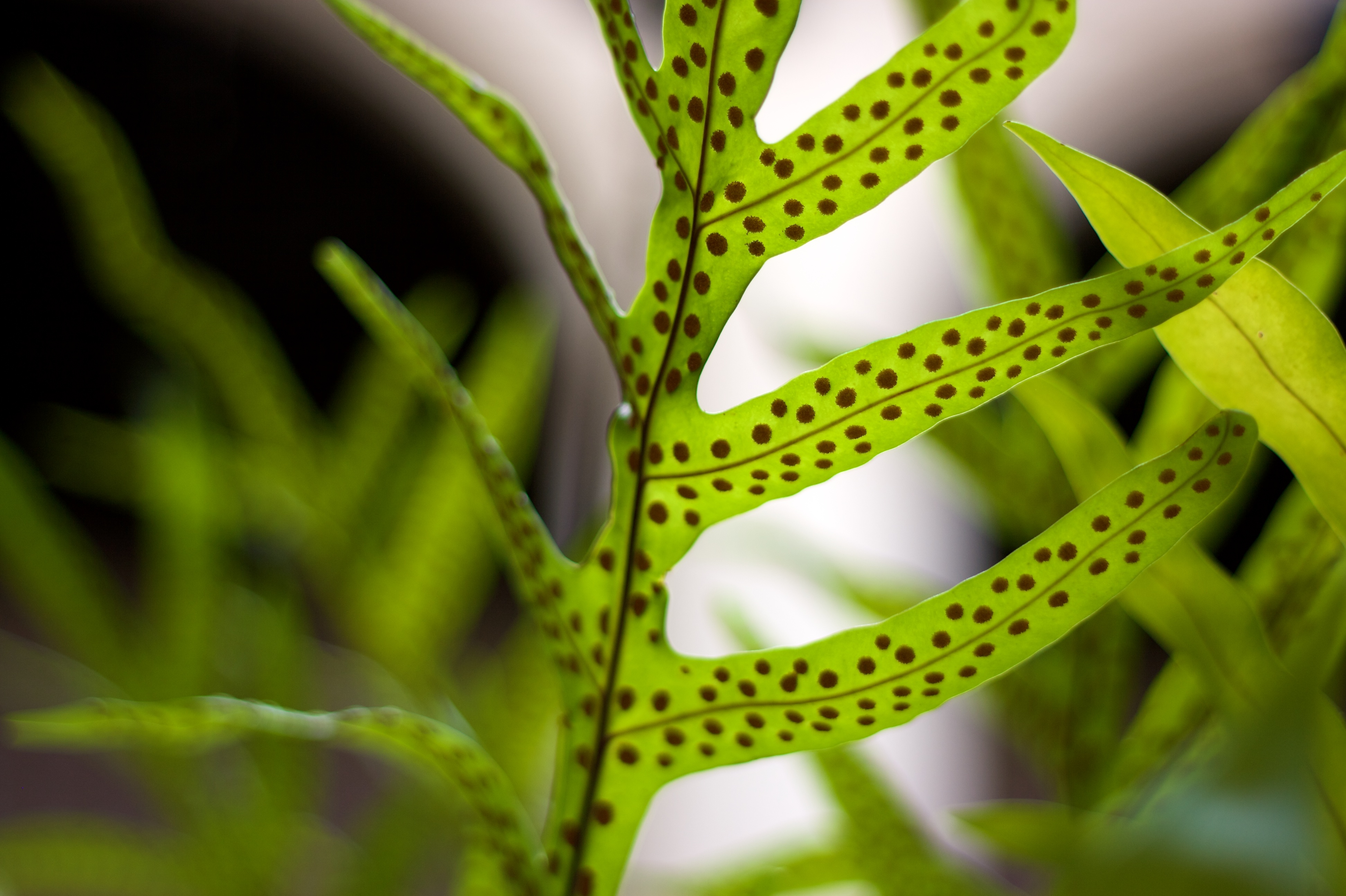 Fern - Photo by Simona Forti
You will press on down to Santiago de Cuba, the island’s second city at the foot of the Sierra Maestra mountains, where you can attend the folkloric and traditional Carnaval.
And all along this road, stop from time to time to recover your energy by sipping a marvellous guarapo — which I still dream about on torrid hot days — extracted by hand through the trapiche. At this point all that remains is to take the map of Cuba in hand and begin planning your first trip to the Isla Bonita.
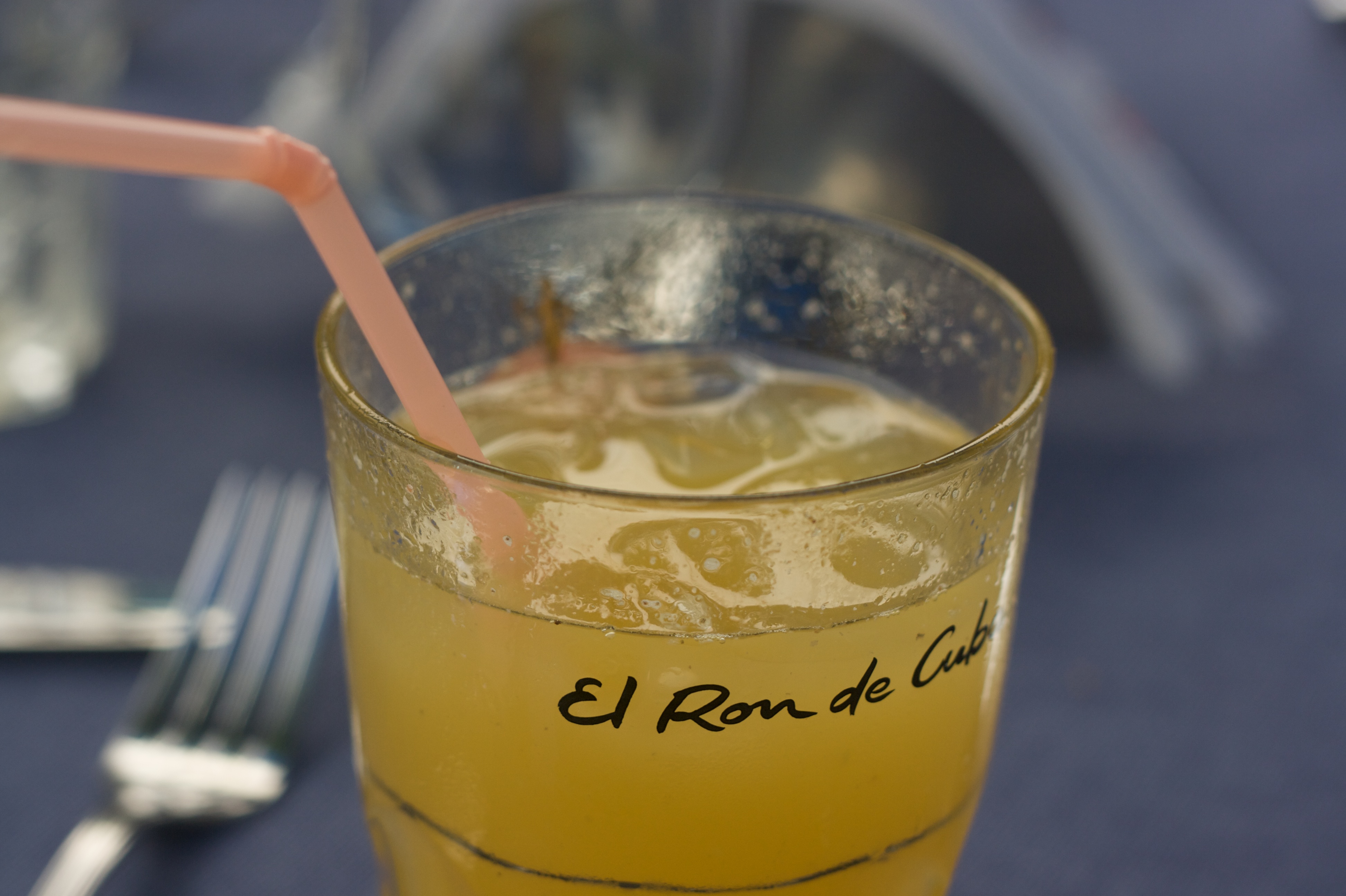 Guarapo - Photo by Simona Forti
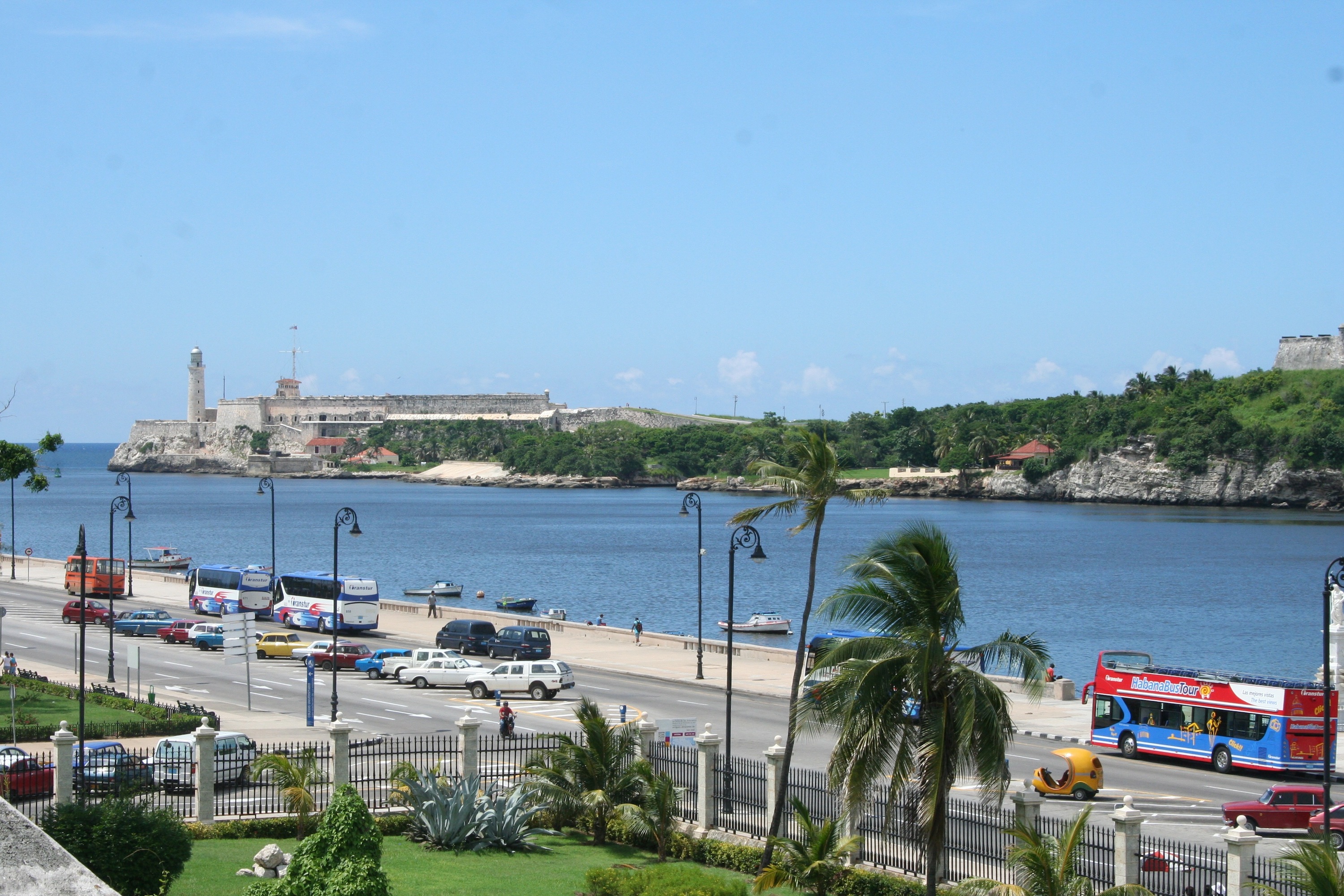 View of the Malecón - Photo by Simona Forti
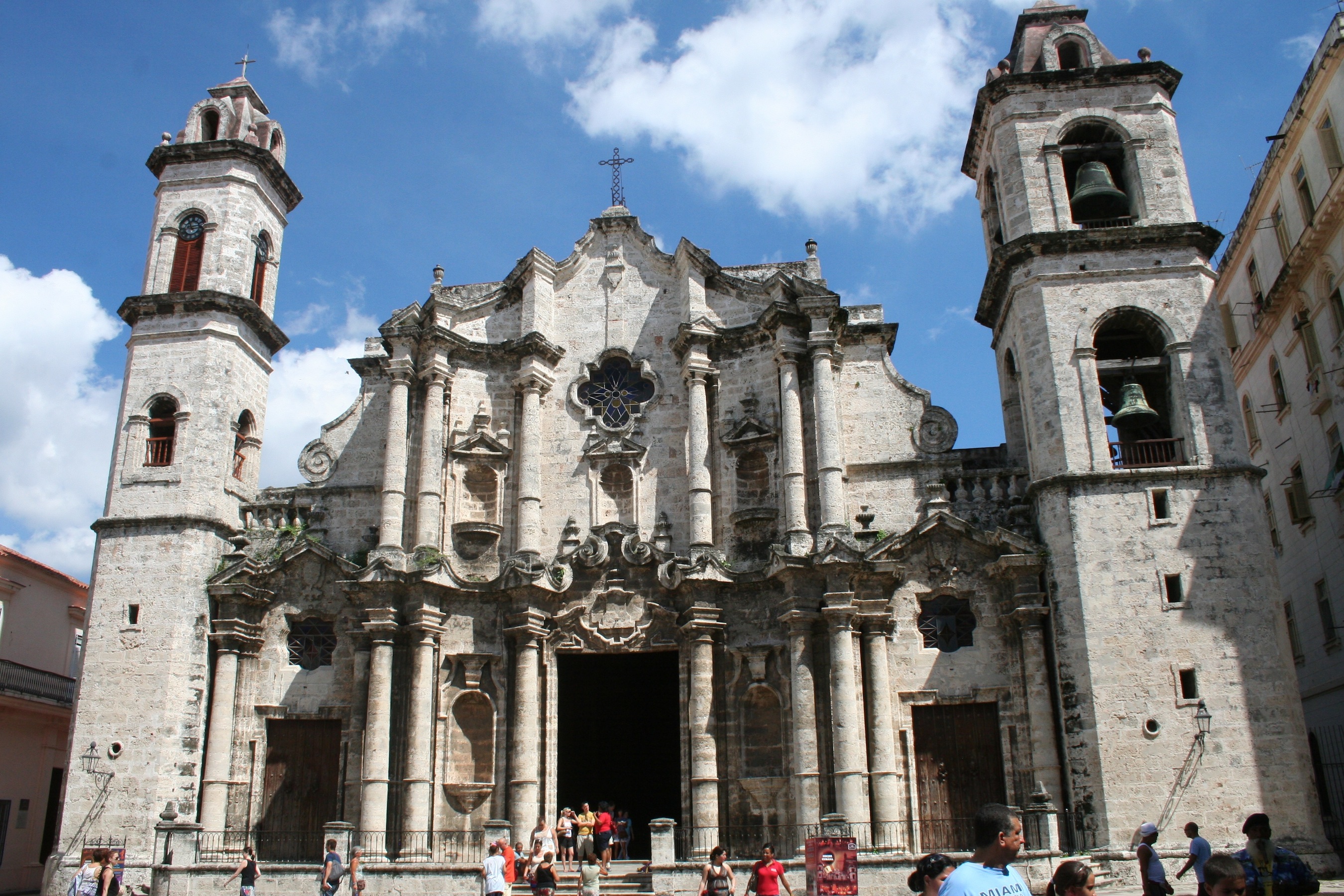 Plaza de la Catedral - Photo by Simona Forti
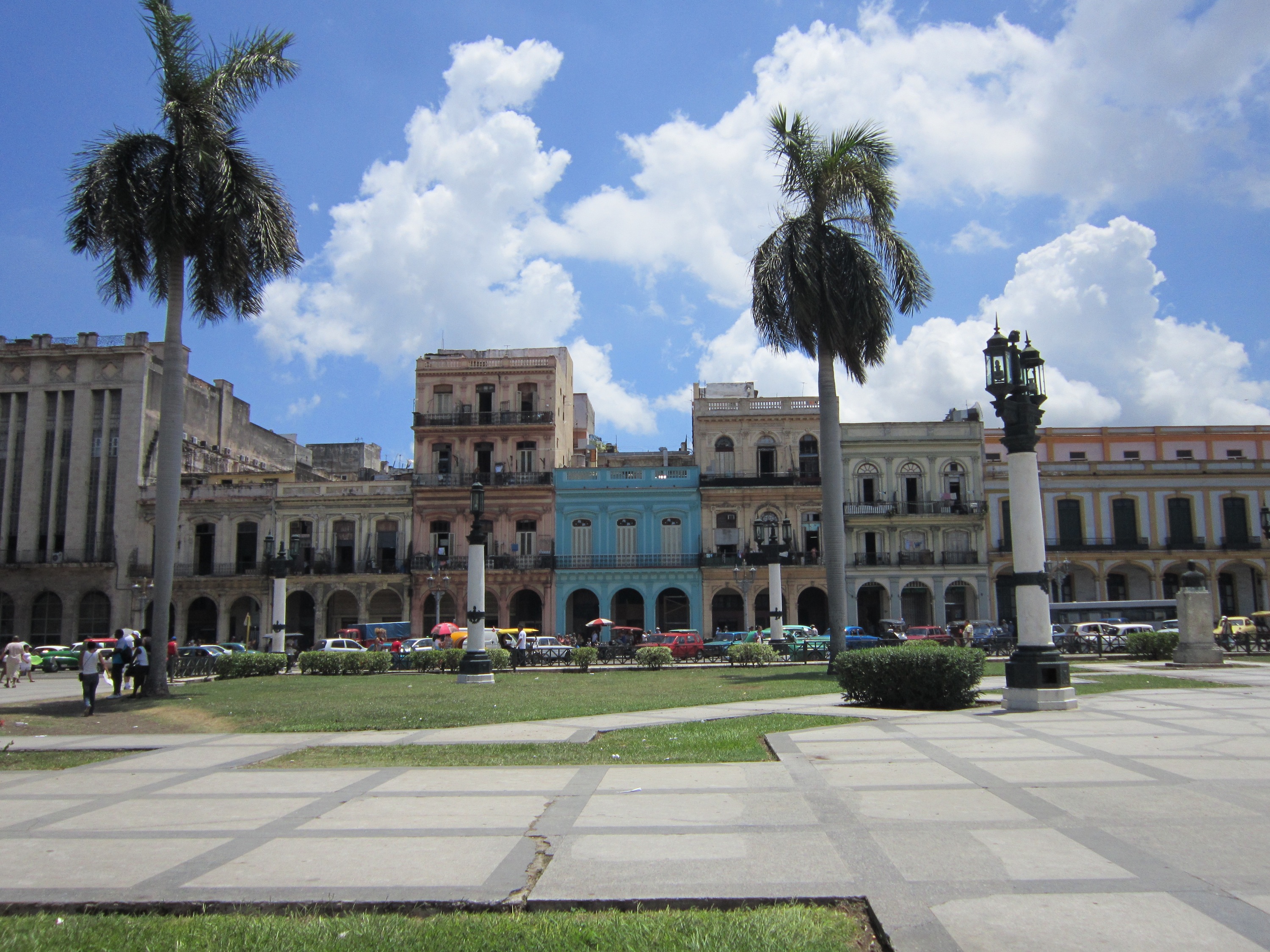 Plaza de la Fraternidad - Photo by Simona Forti
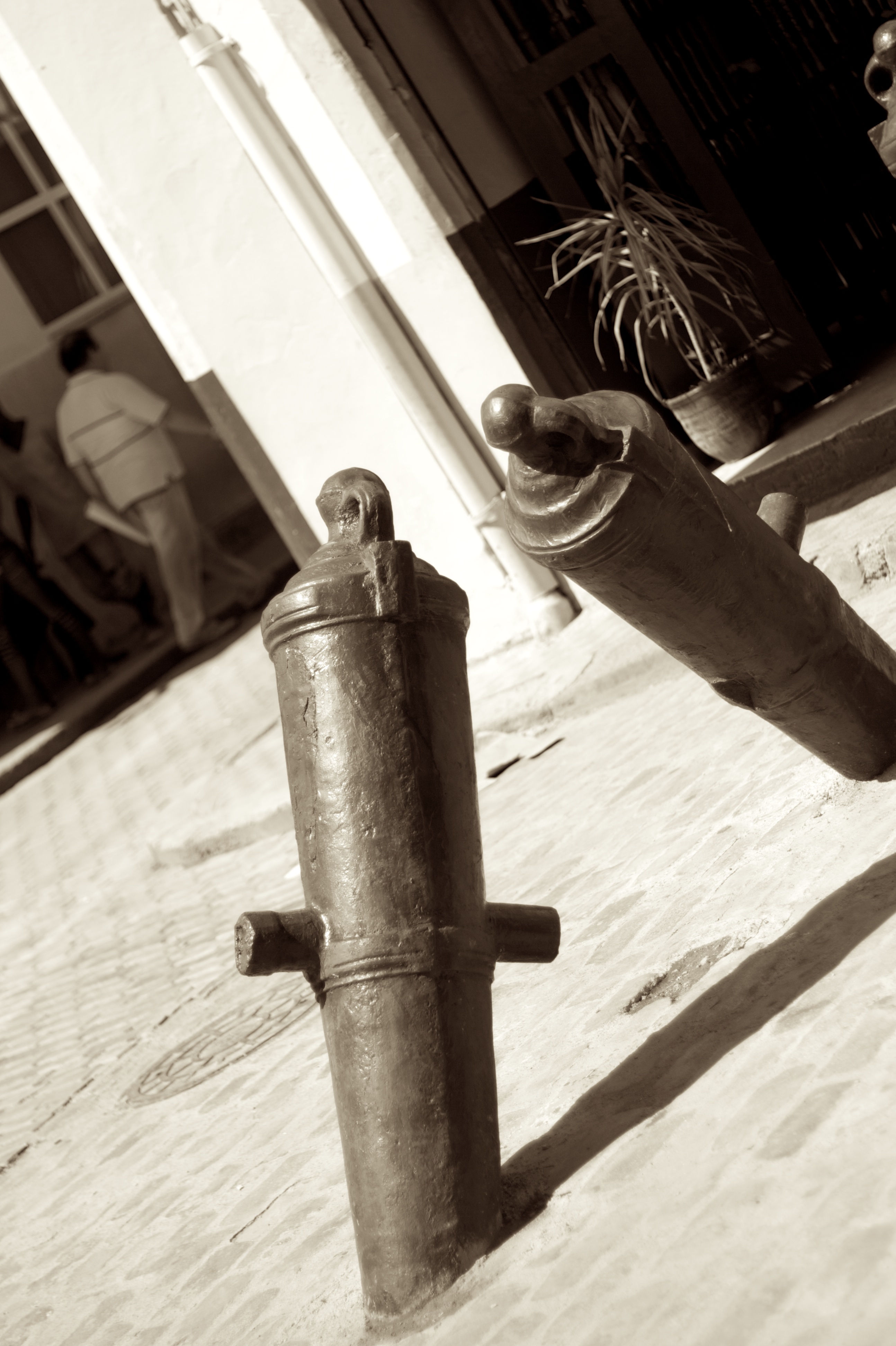 Cannons used to mark the pedestrian area in the centre of the Habana Vieja - Photo by Simona Forti
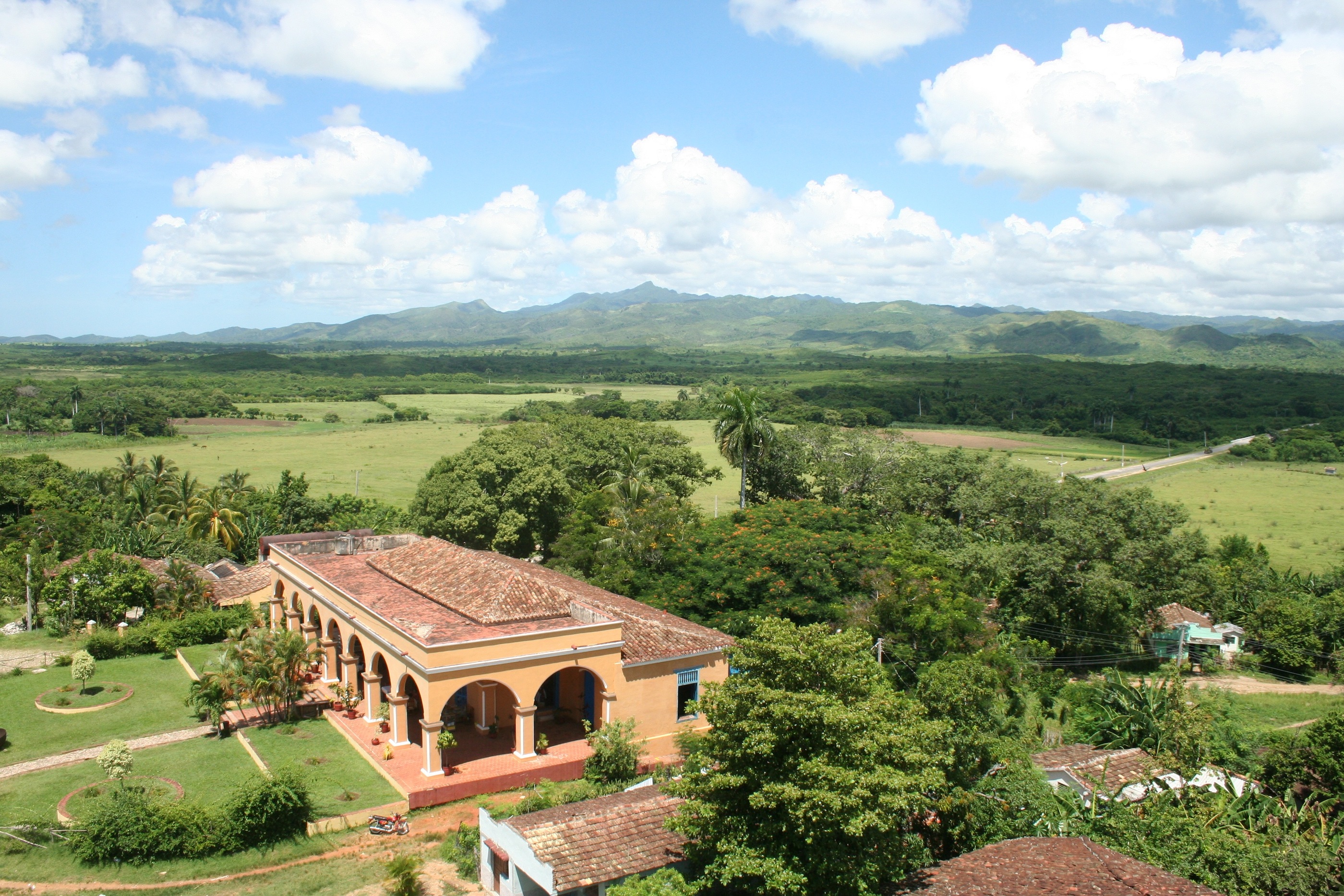 Province of Sancti Spíritus - Photo by Simona Forti