During my travels in Cuba I always kept a diary of everything I saw and experienced, with the intention of writing about it on the blog.
But condensing into a few posts everything that Marcello and I lived through on two long trips is practically impossible; which is why a small ebook has been in the works for some time, which sooner or later I will finish and publish :)
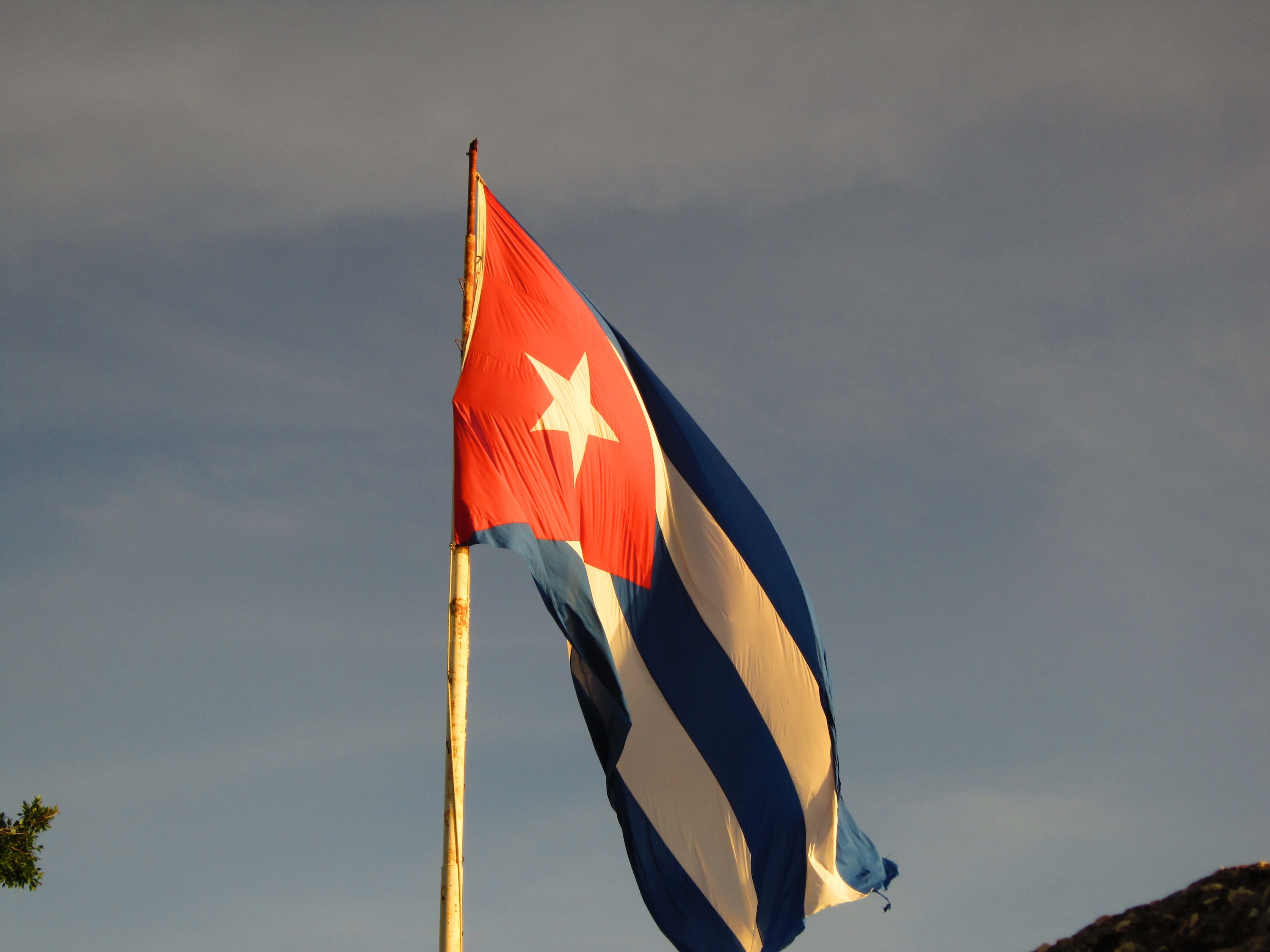
 Cuban Flag - Photo by Simona Forti
Cuba is an island that lets itself be loved. It captivates you completely but allows no middle ground; there are no great compromises. And it is not the way it is portrayed on television or in the papers: all salsa and cuba libre. It is so much more. It is like travelling back in time, where time in reality does not exist. It is as though it had stopped at some “space-time intersection” of parallel universes. You cannot discover it through a tourist guide: you have to live it. However many books you may read about Cuba, they will never be able to make you fully understand its richness. I am obviously starting from the assumption that you have no intention of doing the classic resort-only holiday with sad little souvenir shops. For that there is Varadero, for instance, but know that it has nothing to do with what Cuba really is. It is a country that knows how to enchant with its beaches, its music, its enormously lush nature, its mountains, its breathtaking sunsets, but above all with its people. Tireless inventors, always smiling and helpful. A people capable of conjuring the most absurd riquimbili to take you around the city.
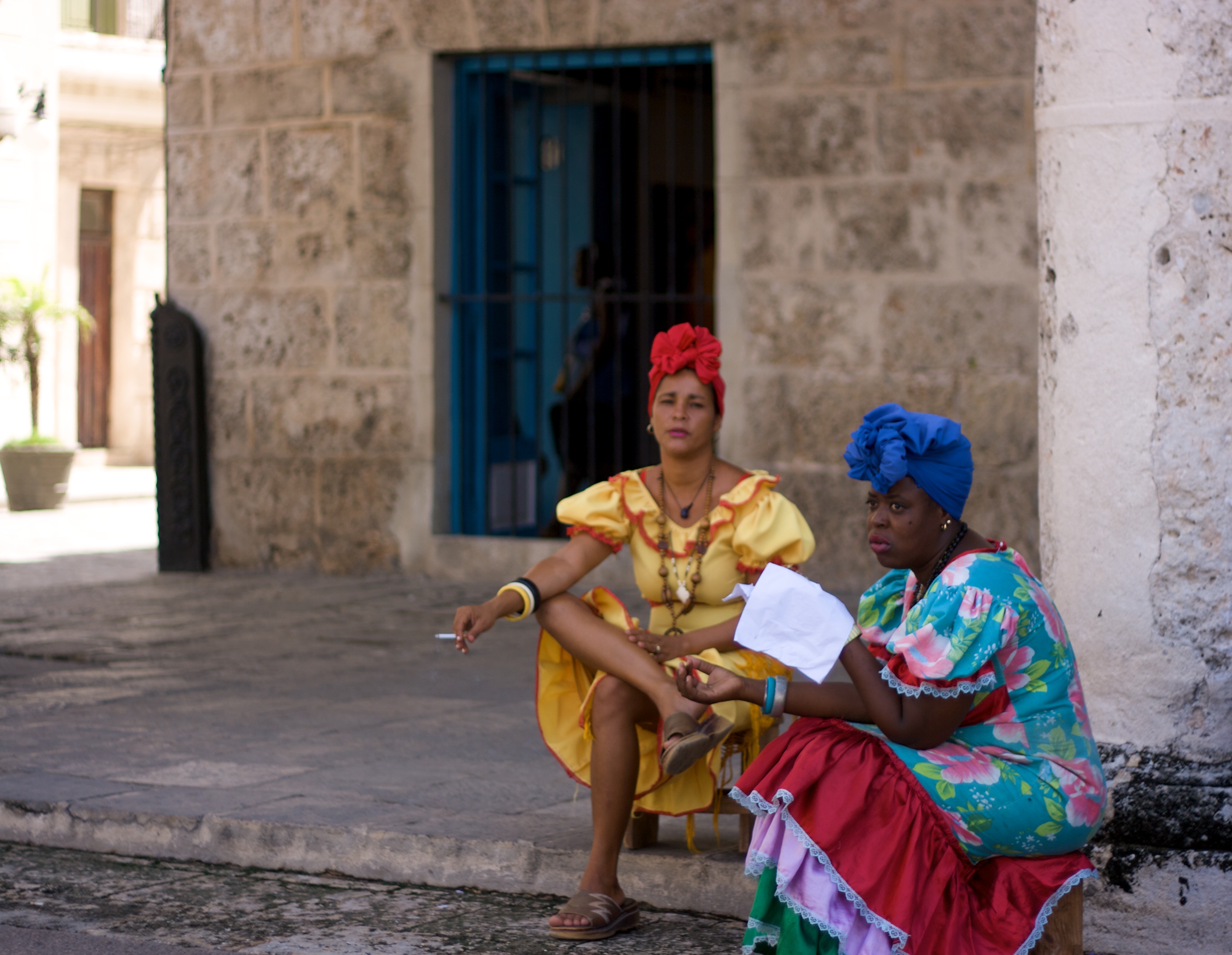 Two women in Plaza de la Catedral - Photo by Simona Forti
To know Cuba means choosing to stay in a Casa Particular rather than a hotel. The casa particular is similar to a bed & breakfast, though not quite in the same style. They are homes regularly licensed for room rental where you can also enjoy breakfast and, if you wish, comida (dinner). Normally it is the house owners, or their helpers, who prepare the food, but you can also use the kitchen independently. The cost of a room is around 20–25 CUC; breakfast is approximately 3–4 CUC, while comida can range from 5 to 8 CUC depending on what you wish to eat: whether just chicken or pork, or also fish and perhaps lobster.
The CUC is one of the two currencies in circulation in Cuba. The strong currency, so to speak — the one intended for tourists, the one that drives their economy. One CUC, or Cuban peso, is equivalent to one US dollar and is the currency with which you will pay for everything, from accommodation to transport, food to purchases. You will more often find yourself paying in cash than by credit card for two main reasons: telecommunications are not always perfectly functional; connections between shop and bank POS terminals and international payment systems are often unavailable; and secondly because the shops authorised for such payments are very few. Even withdrawing at a bank ATM can sometimes be difficult, both for this reason, and because credit cards issued by American systems such as American Express or Mastercard are not accepted, and because the connection is often down. My advice is therefore either to bring a little cash in euros to exchange at a bank or at a Cadeca, or to withdraw from your credit card at a bank counter. If you arrive with US dollars to exchange, these will incur an additional surcharge of 10%. Also remember to always carry your passport with you, especially if you intend to pay with a 50-denomination note: for this you will be asked to sign and your name and document number will be registered. Even with all these small inconveniences, Cuba is a country that knows how to give generously at every step you take along its streets.
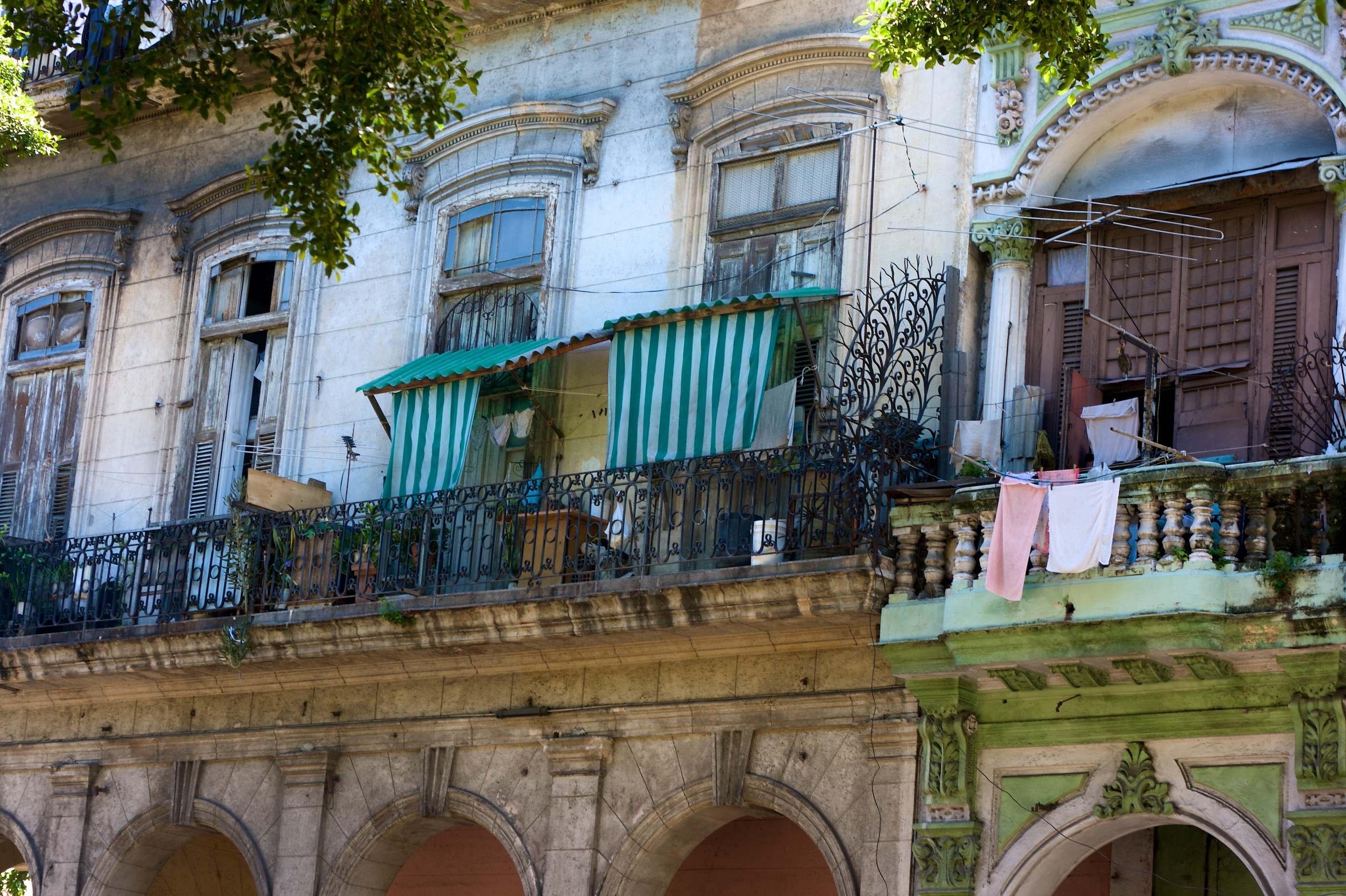 Palace - Photo by Simona Forti
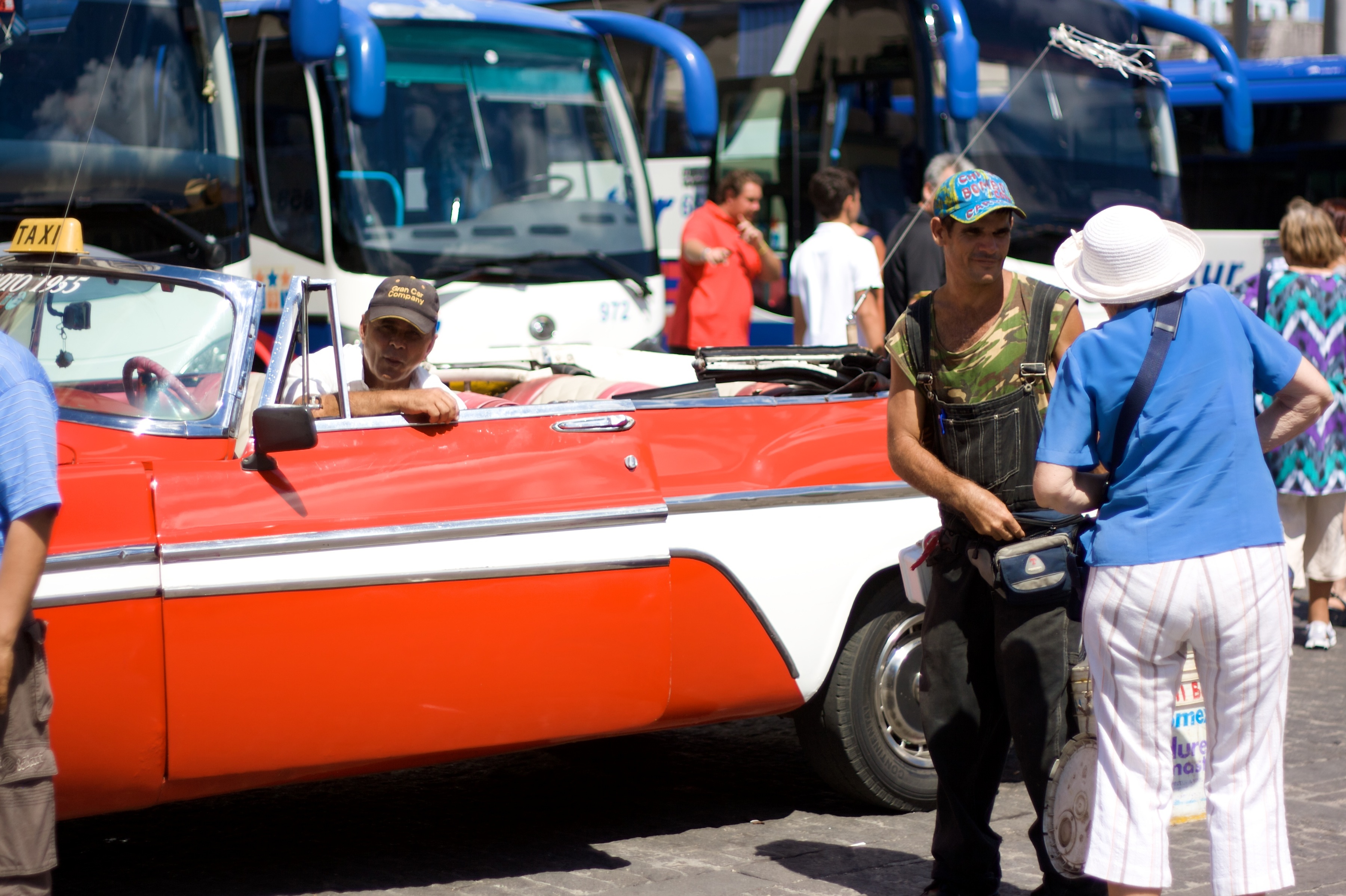 Cuban taxi drivers - Photo by Simona Forti
Strolling through the Habana Vieja you simply must visit the enchanting Plaza de la Catedral and stop to eat an excellent lobster at “Doña Eutinia” just around the corner. Walk the entire length of Calle Obispo, pausing at the beautiful artisan perfume shop “Habana 1791”, all the way to Plaza de Armas and the Castillo de la Real Fuerza, from which you can admire a beautiful view of the Bay. An unmissable stop is the “Bodeguita del Medio”, where you can quench your thirst with Cuba’s national drink: the mojito. The real mojito, I should add! Another important piece of advice on this subject is to drink only bottled water and never to let ice be added to your drinks unless it has been made with packaged water or previously boiled water. Cuba is not a dangerous country; there are no venomous animals and no particular risk of disease. The only thing to watch out for is the water, which can sometimes contain parasites and cause you to contract amoeba. From personal experience I recommend that, upon arriving in Havana, you go to a pharmacy and buy one or two packets of “Secnidazol” as a precaution, so you have it available should you need it. It is a medication composed of 4 tablets, specific for this type of complaint and absolutely effective. It is the only thing you truly need to think about once you arrive; there is no point trying with your own medications — if you do catch it, take all four tablets together and within a day at most everything will pass. As for the climate, try to bring very light clothing, in linen and cotton; in pale, breathable colours. The temperature throughout the year fluctuates between 25 and 35 degrees, but it is the extremely high humidity that catches you off guard.
 Havana - Photo by Simona Forti
Continuing your walk through the streets of the Habana Vieja you must not miss the Museo de la Revolución, the Parque Central and the Palacio de los Capitanes Generales. Moving perhaps aboard one of the beautiful “Almendrones” — those old American cars from the 1950s that serve as collective taxis — make your way towards Plaza de la Revolución, the heart of government and the soul of modern Havana. You will find this area very different from the Habana Vieja; here the monolithic architectural style of Eastern Europe predominates. At the centre of the square — which on certain occasions hosts political rallies and on the anniversary of Che’s death sees students arriving to lay flowers — you will find the Monumento José Martí: poet and National cultural hero.
For me, writing about Cuba is an extraordinary journey through memories and emotions, trying to give them some logical order without becoming verbose. For this reason my "mini-guide" will not be exhausted with this post — there is so much to say that it would be practically impossible. If you too intend to take a journey through time, plan it well: bring few things, you won't need too many clothes, it is very hot and the less you wear the better. Choose the right time of year: going in July or August means choosing the hurricane season (June–November) and therefore encountering the classic tropical rains that arrive out of nowhere and can be very violent. Prepare an itinerary and rent a car: but don't think you can tour the entire island in 21 days, because the state of the roads won't allow it. You will need a visa permitting you to stay in Cuba for a maximum of 30 days. You will eat exceptional fruit, enormous lobsters, and fish you have never tasted before. You will load up on mango, avocado and papaya, and you will drink something you'll struggle to find elsewhere: guarapo! Pure fresh-pressed sugarcane juice! An instant burst of energy, and not at all as sickly-sweet as you might imagine. Let yourself go; leave your preconceptions at home and let the magic of this island enter — and I am certain it will capture your heart too.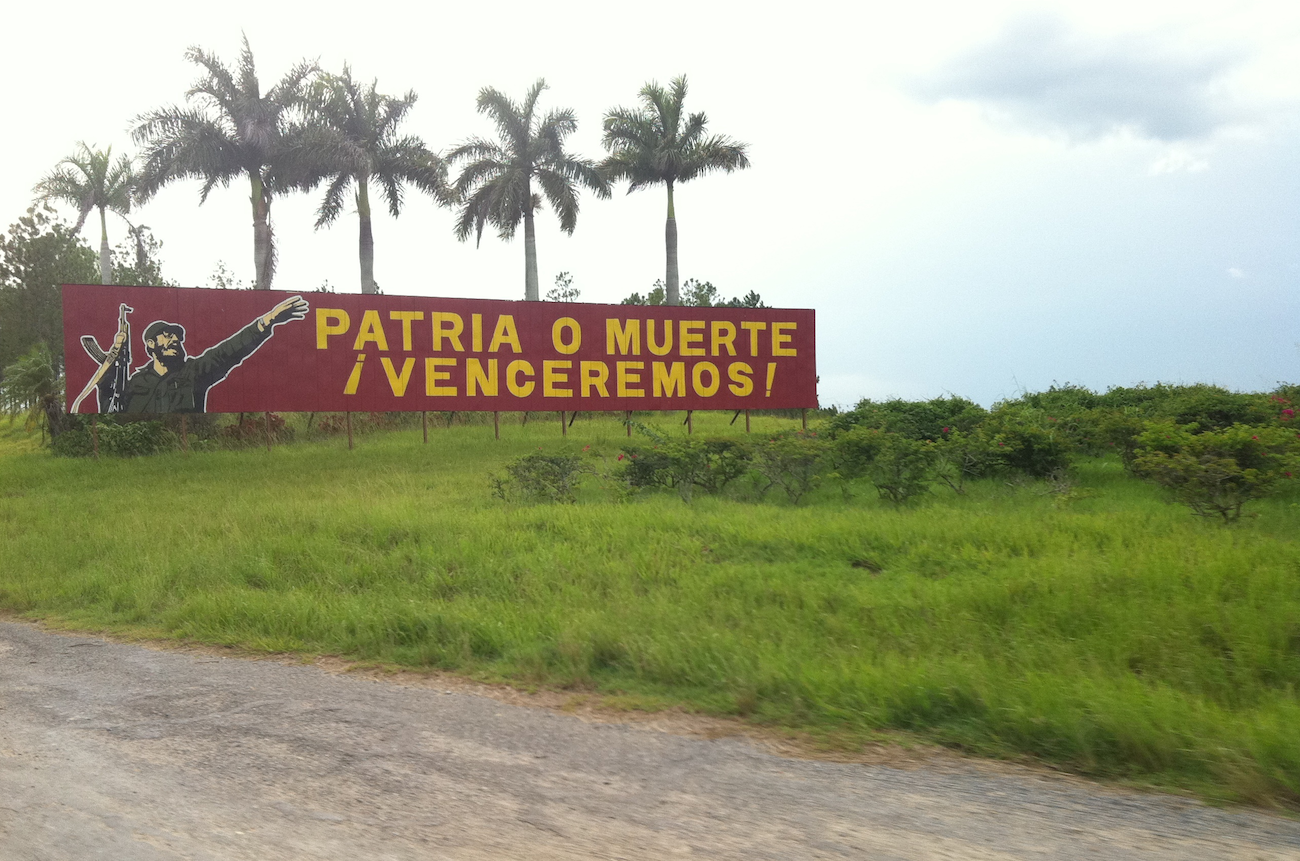 Propaganda - Photo by Simona Forti
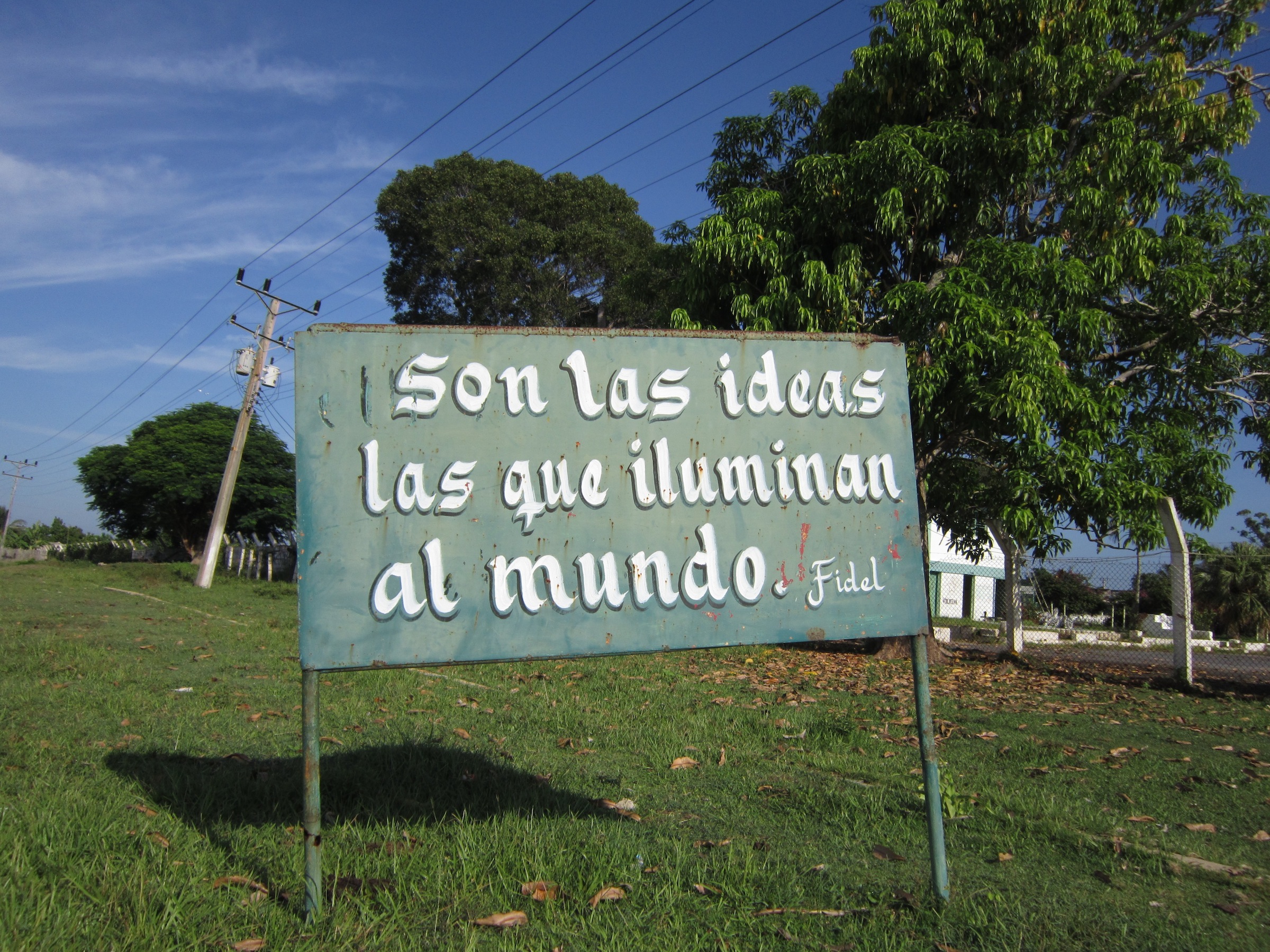 Propaganda - Photo by Simona Forti
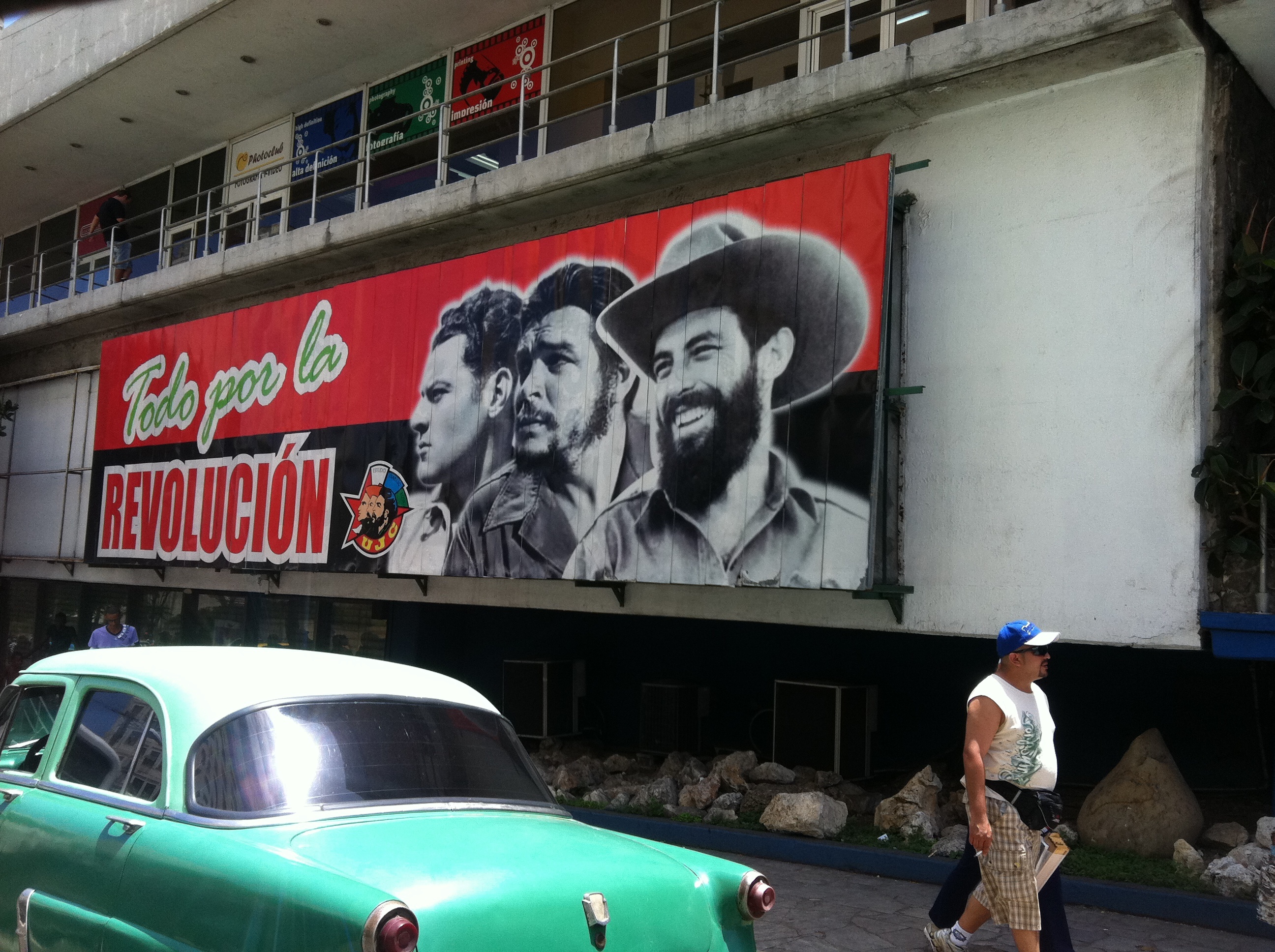 Propaganda - Photo by Simona Forti
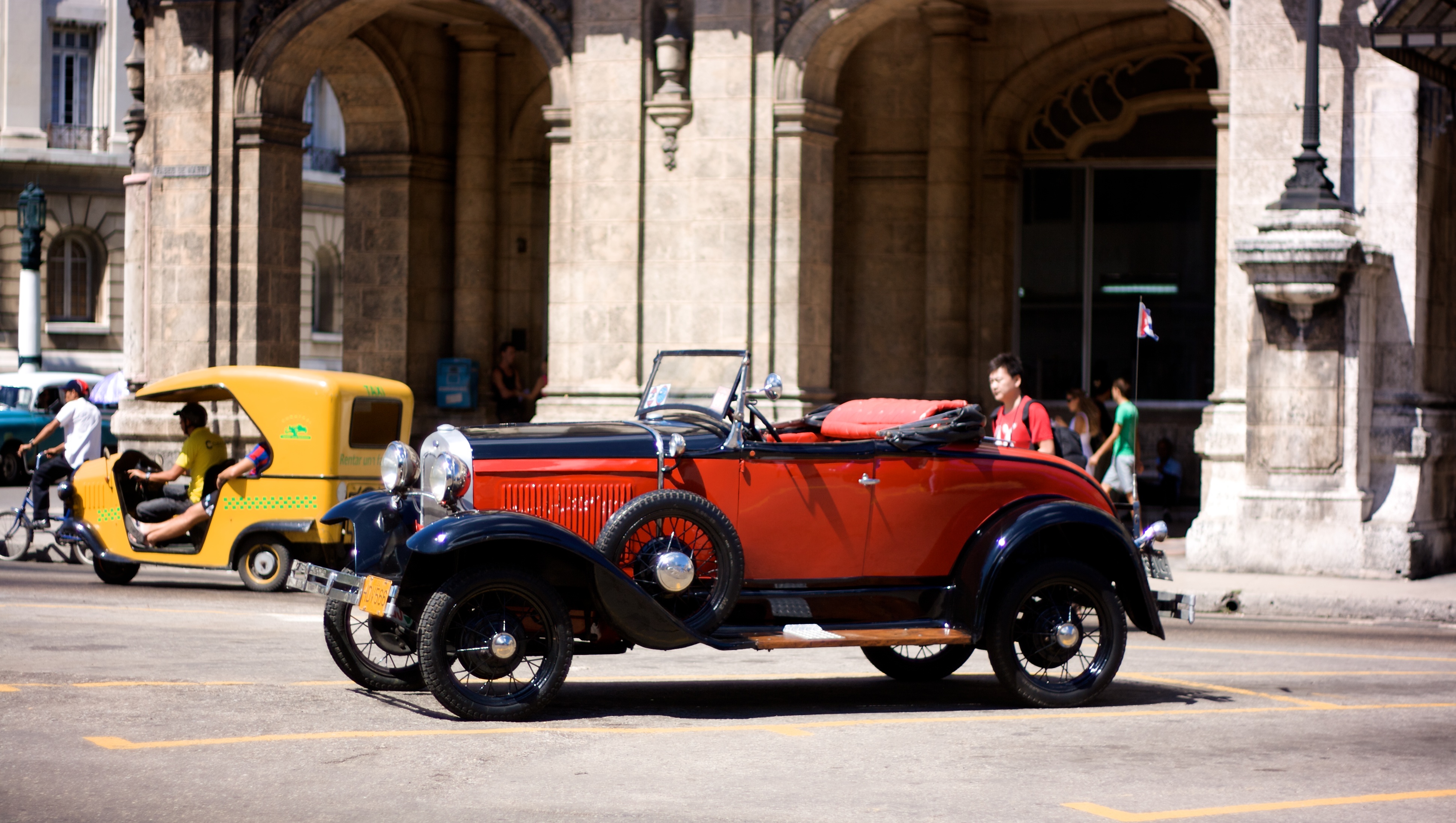 American cars from the '50s - Photo by Simona Forti
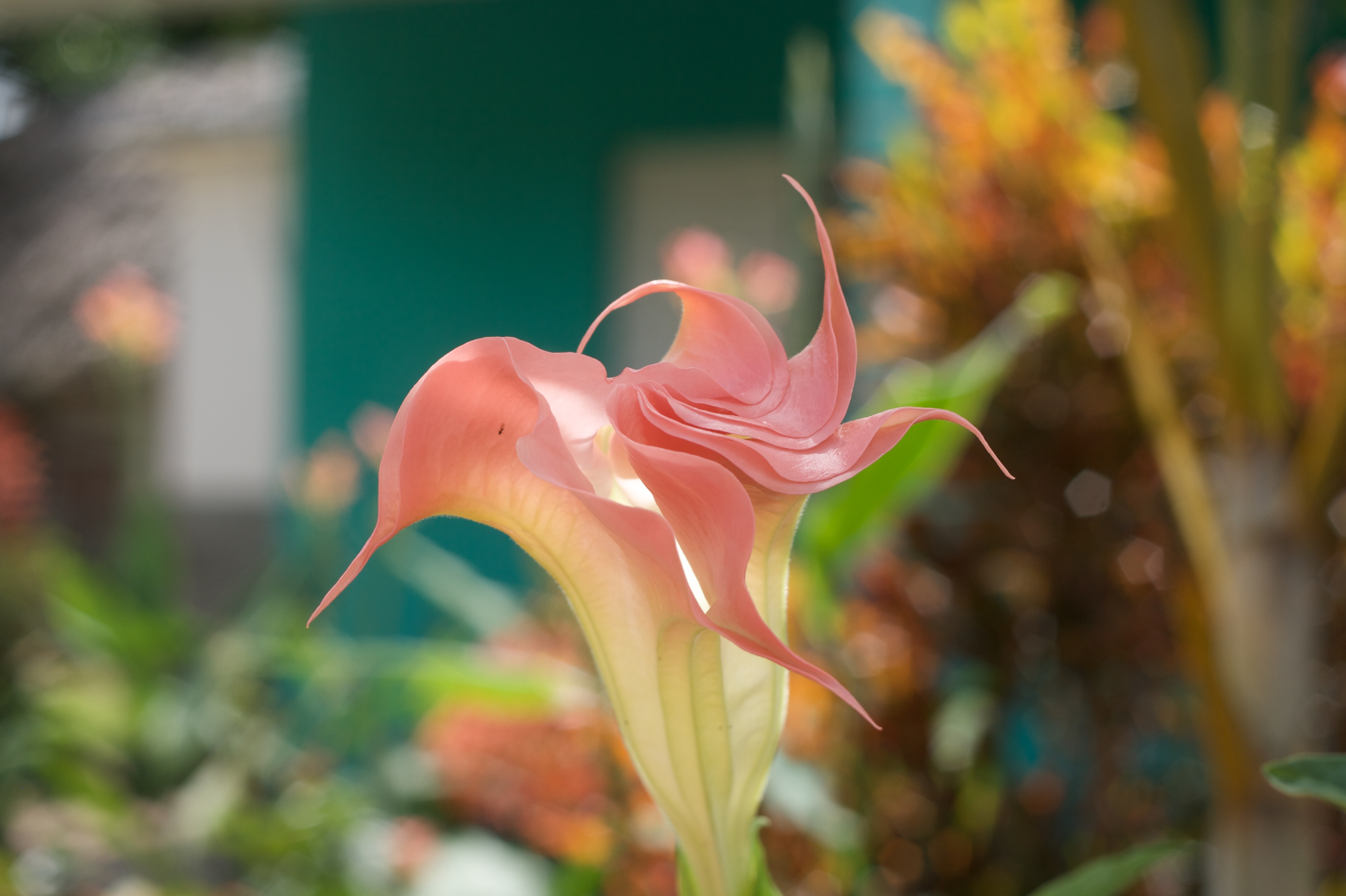 Vegetation - Photo by Simona Forti